If you are bringing a new construction home to market in Chevy Chase, DC, timing and strategy matter more than hype. This is a neighborhood where new supply is unusually limited, buyers are willing to pay for quality, and the market tends to reward homes that feel complete, well-positioned, and correctly priced from day one. If you want to maximize interest without losing momentum, the key is to align construction readiness, legal occupancy, design fit, and launch timing. Let’s dive in.
Why Chevy Chase DC is different
Chevy Chase, DC is not a market where new construction blends into a steady stream of comparable inventory. According to the Chevy Chase Small Area Plan, the study area saw only 2 net new homes built since 2010, with no new apartments or condominiums added in that time. That level of scarcity can create real opportunity for a well-executed listing.
At the same time, scarcity does not mean buyers will overlook weak positioning. Redfin neighborhood data shows a February 2026 median sale price of $1.275 million, with homes selling in about 22 days and, on average, around 2% below list price. In other words, this is a premium market, but it is still a disciplined one.
Start with the right listing timeline
For most new-construction sellers, the strongest public launch window is late winter to spring, assuming the home is actually ready. In the DC metro, WTOP reporting on Bright MLS data showed that in March 2025, new listings jumped 44.5% month over month, pending sales rose 42.1%, and typical homes went under contract in 12 days. That kind of spring energy can work in your favor if you hit the market at the right moment.
By early summer, the picture often gets more competitive. The same report noted that by June 2025, active listings in the metro were up 23% year over year and median days on market had risen to 36 days. For a seller, that usually means more alternatives for buyers and less room for a soft or delayed launch.
List when the home is truly ready
The biggest mistake with new construction is going live too early. In Chevy Chase, a premium buyer is likely to notice unfinished landscaping, delayed punch-list items, missing fixtures, or unresolved occupancy status immediately.
A stronger approach is to hold your public launch until the home feels fully resolved. That usually means the finishes are complete, the exterior presentation is strong, the landscaping is in place, and the occupancy path is clear. In a neighborhood this established, buyers tend to respond best to homes that feel polished rather than provisional.
Confirm occupancy status early
Your legal readiness should be part of the listing calendar, not an afterthought. The DC Department of Buildings explains that a Certificate of Occupancy confirms compliance with zoning, construction codes, and the Green Building Act, and that approval typically takes about seven business days after application once the required steps are complete.
DOB also notes that many single-family homes in R-1A, R-1B, R-2, and R-3 zones may be exempt, which is exactly why you should verify the correct path early instead of assuming one applies. If a property needs to open before full completion, DOB also outlines a Temporary Certificate of Occupancy process with additional requirements. For listing strategy, the practical takeaway is simple: know your occupancy path before you schedule photography, previews, or launch dates.
Match the product to the neighborhood
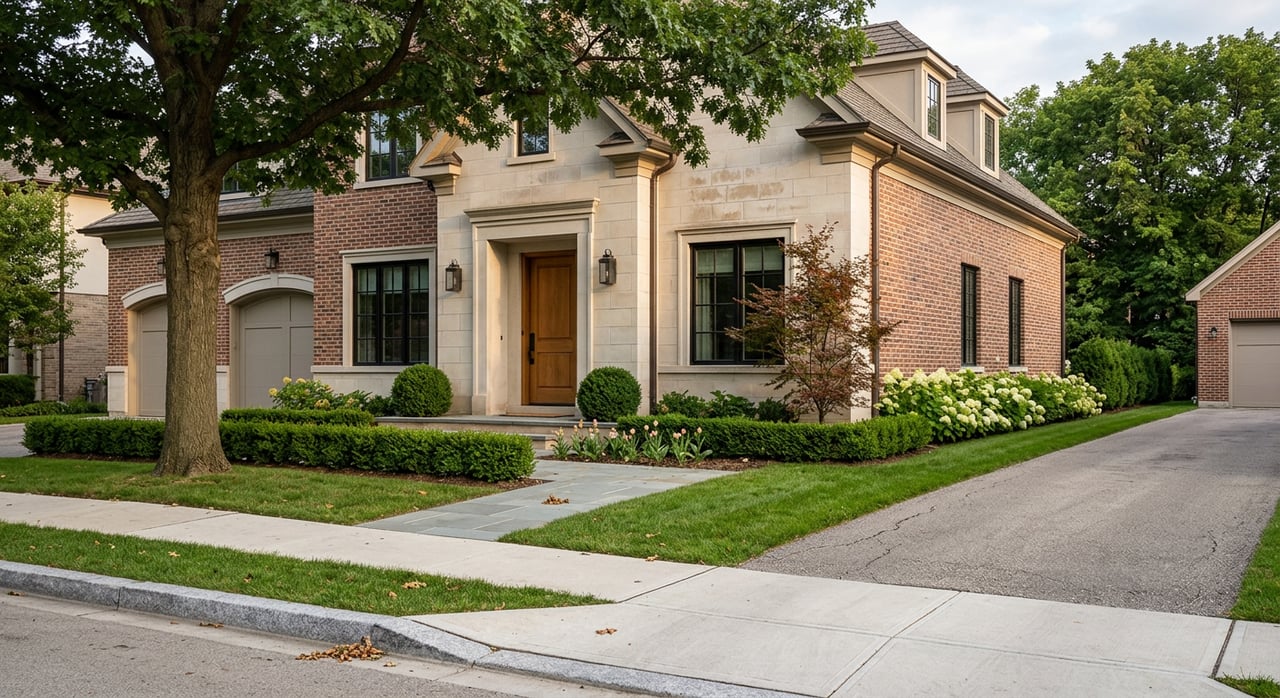
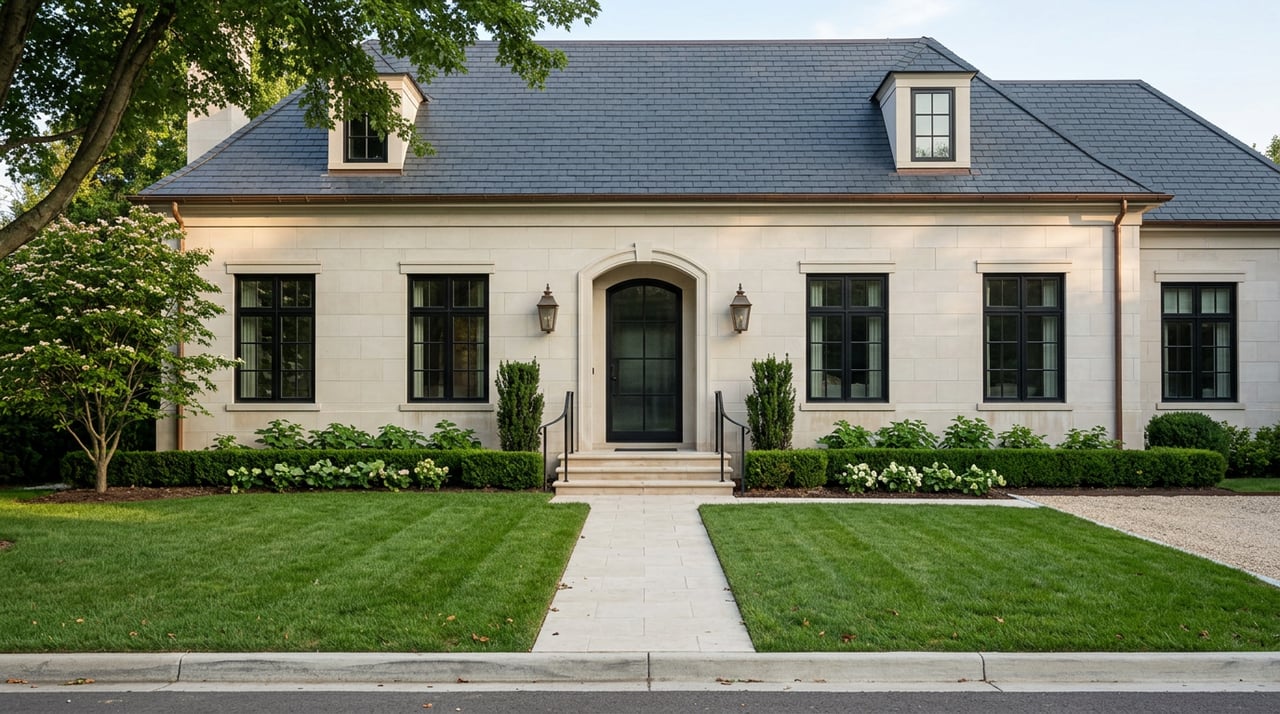
In Chevy Chase, the architecture and presentation should feel intentional and context-aware. The Chevy Chase Small Area Plan and local development guidelines point toward a design language that is sensitive to traditional neighborhood scale, favors masonry or brick cladding, and values durable, sustainable materials.
That does not mean a new home has to look old. It does mean the exterior should feel grounded, proportionate, and well-composed. In a neighborhood known for tree-lined streets and established architecture, a restrained and tailored design often reads as more valuable than something overly flashy.
Buyers are paying for turn-key quality
The planning documents describe Chevy Chase as a place with a well-maintained housing stock and a strong neighborhood commercial corridor. They also note that the area’s high housing costs narrow the buyer pool to households with relatively high incomes. For your listing, that usually translates into a selective audience that expects a move-in-ready experience.
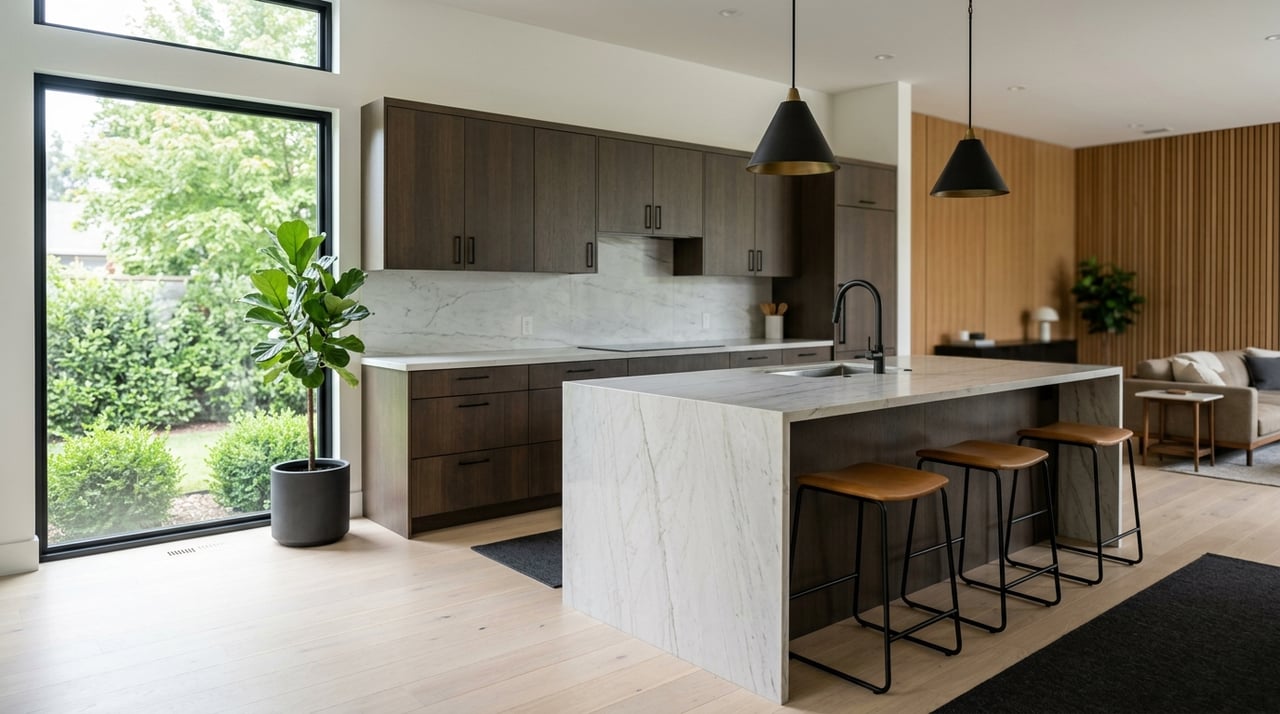
That expectation affects everything from finish choices to staging. Premium buyers are not just buying square footage. They are buying confidence that the home has been carefully built, thoughtfully detailed, and finished in a way that fits the neighborhood.
Exterior presentation matters
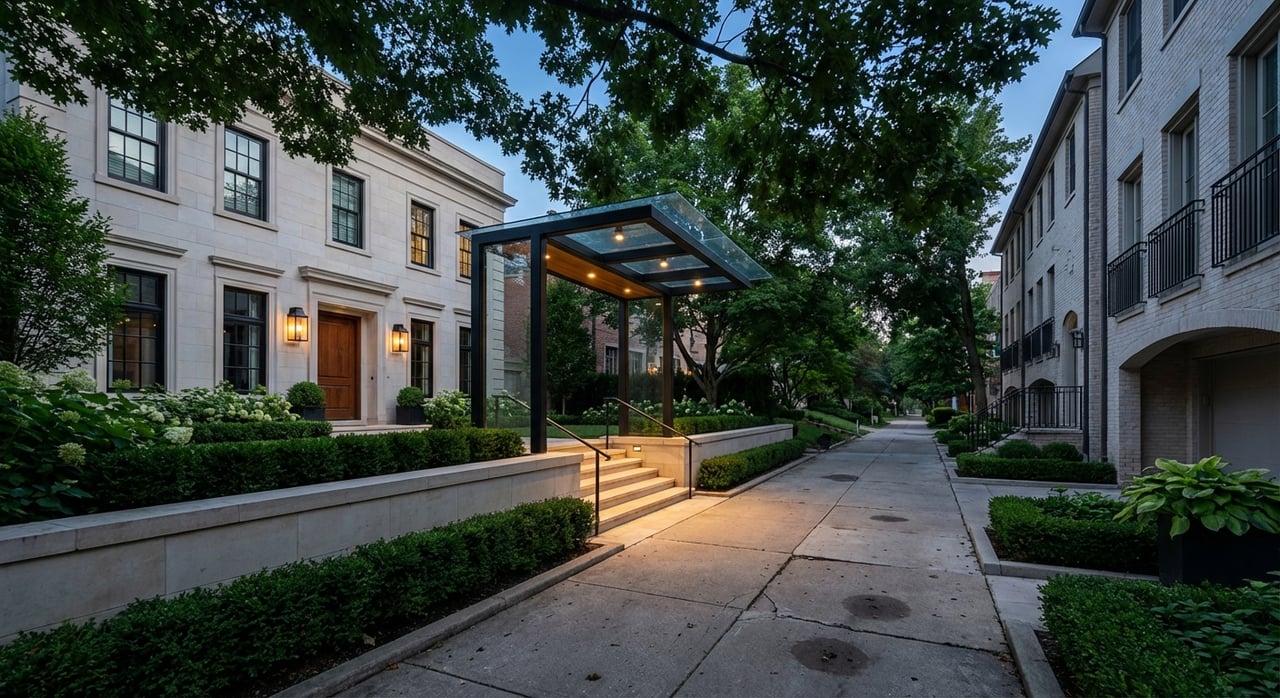
The Ward 3 Heritage Guide describes Chevy Chase as an early-20th-century streetcar suburb with distinguished domestic architecture, tree-lined streets, and a neighborhood commercial corridor that continues to anchor daily life. That local identity should shape how the home is presented.
For a listing launch, curb appeal is not a secondary issue. Masonry-forward exteriors, a clean and balanced facade, and a strong landscape plan can help a new build feel rooted in its setting. In this market, that kind of coherence can be more persuasive than dramatic design gestures.
Watch for preservation and review issues
One of the smartest moves in a Chevy Chase listing strategy happens well before the home is marketed. You should verify the parcel’s preservation status and understand whether any review issues could affect timing, design claims, or buyer expectations.
The Small Area Plan notes existing landmarks in the area, and it also references a proposed Chevy Chase Historic District nomination submitted in 2023. If a district is designated, future construction, alteration, and demolition would be subject to review. Even if your project is already underway, early clarity helps avoid overpromising on schedule or scope.
Do not market ahead of certainty
If there is any preservation, approval, or occupancy issue still in motion, your listing language should stay precise. Buyers in this price band often move quickly when they trust the product, but uncertainty can slow decision-making just as fast.
A clean launch works best when the home’s status, design story, and delivery timing all line up. That is especially true in a neighborhood where the surrounding built environment has changed very little over time.
Price for the market you have
New construction often tempts sellers to lead with aspiration. In Chevy Chase, that can backfire if the number gets too far ahead of the comp set.
Redfin’s Chevy Chase market data shows a premium local market, but also one where average sales still come in below list. That supports a launch strategy built on current sold comparables and realistic absorption, not on the highest possible ask.
Premium does not mean unlimited
The broader luxury market offers a useful reality check. Redfin’s luxury report puts the DC metro luxury median sale price at $2,085,533 in December 2025, with the typical luxury home taking 55 days to sell. Luxury demand is clearly present, but buyers remain selective.
At the same time, WTOP’s reporting on early 2025 luxury activity showed that well-positioned homes could still move quickly, with luxury listings averaging 14 days to sell and about a quarter closing above list. The lesson is not to underprice blindly. It is to price with discipline, so the home enters the market with momentum instead of hesitation.
Build a launch plan around momentum
A successful new-construction listing in Chevy Chase usually follows a clean sequence. You want the physical product, legal readiness, visual presentation, and pricing story to support one another.
Here is a practical framework:
- Confirm status early with your occupancy path and any parcel-specific review considerations.
- Finish the home fully before broad public exposure, including landscaping and final detailing.
- Develop a clear design story that fits Chevy Chase’s established character.
- Price from sold comps and current market pace, not from construction cost alone.
- Launch in the strongest seasonal window when possible, with spring often offering the best conditions.
Why execution matters more here
Because Chevy Chase has seen so little new residential supply, every new-construction listing stands out. That can be a real advantage, but it also raises the bar. Buyers will notice whether the home feels like a thoughtful addition to the neighborhood or simply a product brought to market.
That is why the best results usually come from a developer-minded approach. When strategy starts before the listing date, you can reduce avoidable friction and present the home in a way that feels both premium and credible.
If you are preparing to list a new-construction home in Chevy Chase, DC, the goal is not just to bring something new to market. It is to bring the right product to market at the right time, with a pricing and launch plan that reflects how this neighborhood actually works. If you want a partner who understands development, positioning, and premium-market execution, connect with Shane Crowley.
FAQs
When is the best time to list new construction in Chevy Chase DC?
- Spring is often the strongest window in the broader DC market, but the best launch date is when your home is fully finished and the occupancy path is clear.
What pricing strategy works best for a new-construction home in Chevy Chase DC?
- Pricing should be based on recent sold comps, current absorption, and local buyer behavior, not just on rarity or construction cost.
What design style fits a new-construction listing in Chevy Chase DC?
- Local planning guidance points toward context-sensitive design, masonry-forward materials, durable finishes, and strong landscaping rather than overly flashy presentation.
What approvals should you confirm before listing new construction in Chevy Chase DC?
- You should confirm the correct occupancy path with DC DOB and verify whether the parcel has any preservation or review issues that could affect timing or marketing.
Why is new construction notable in Chevy Chase DC?
- The neighborhood has added very little new housing over the past decade, so a newly built home can stand out, but buyers still expect careful pricing, complete execution, and neighborhood fit.