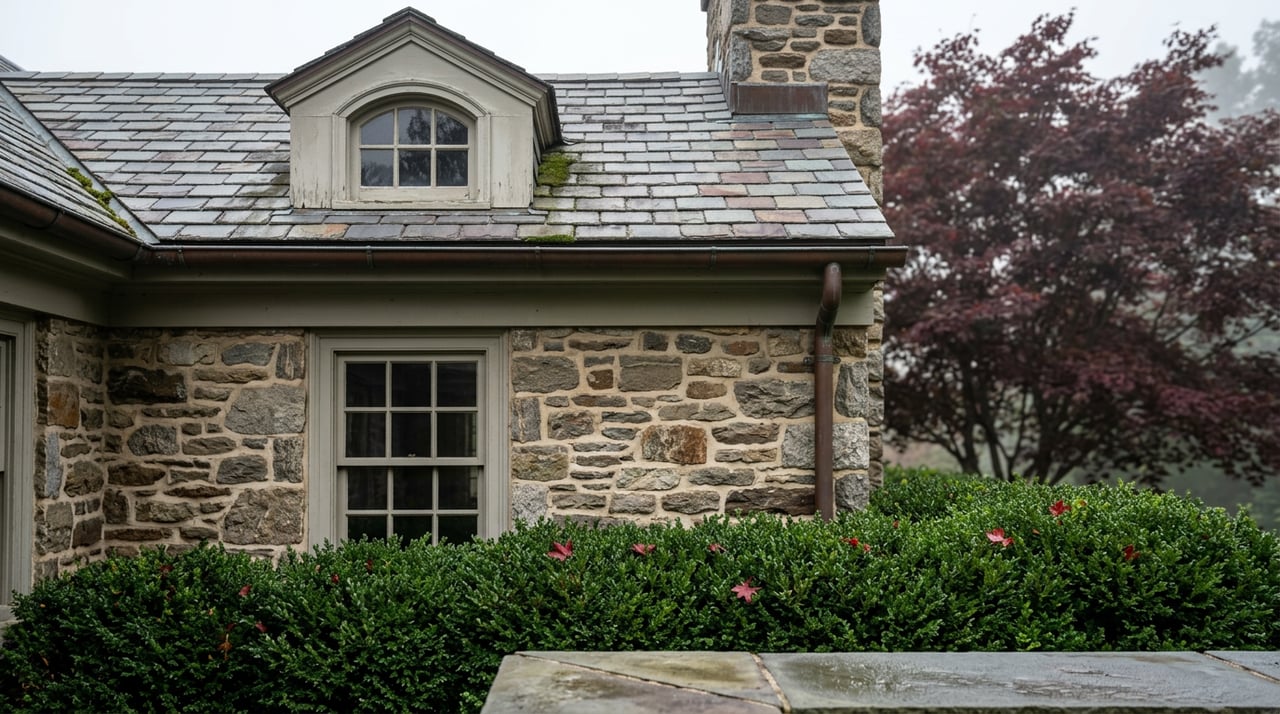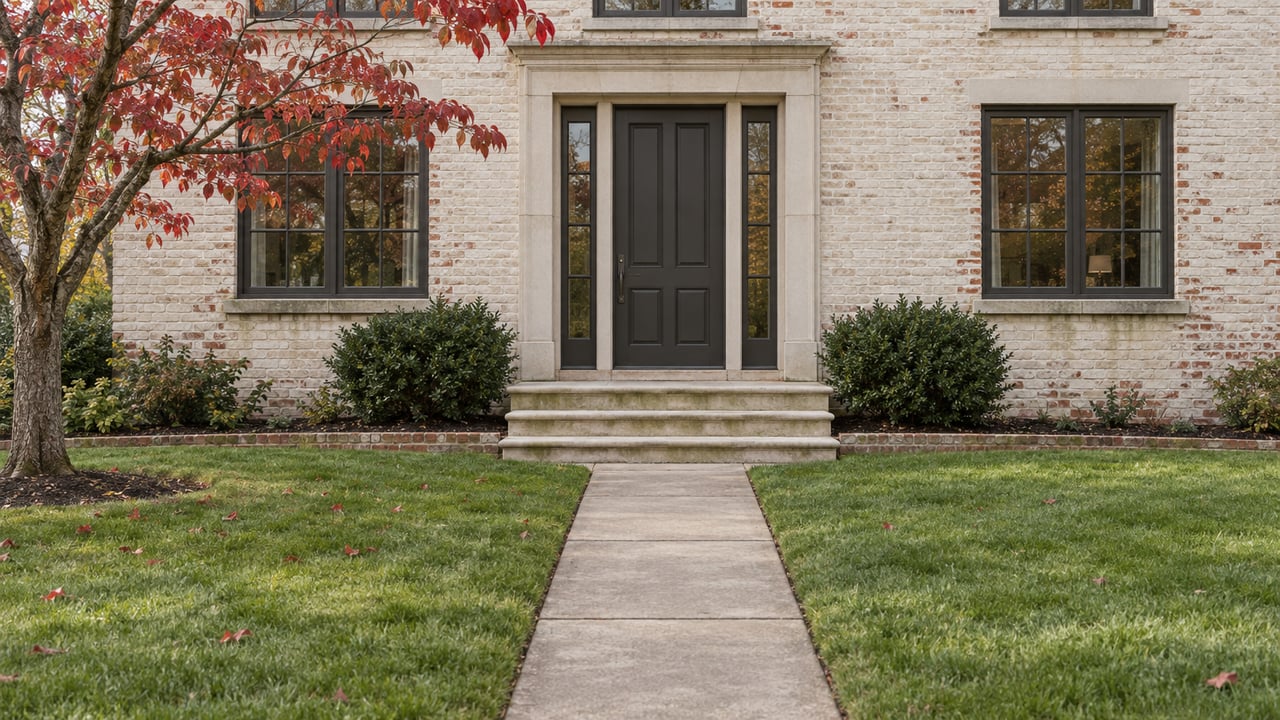
A buyer touring two nearly identical colonials in Wheaton pulls up the online property record for each one before the open house ends. Both show a current annual tax bill a little under $6,000. Both look reasonable for the block, the square footage, the finishes. Neither number is the one this buyer will actually pay.
The gap has nothing to do with the homes. It has to do with how long the current owners have lived in them. Maryland's Homestead Tax Credit protects a continuing owner-occupant from a sudden jump in their taxable assessment, but that protection is tied to the person, not the property, and it does not survive a sale. The seller's tax bill dies at closing. The buyer's first bill starts fresh, calculated on the home's full current assessed value, with none of the cushioning the seller had built up over years of ownership.
For anyone comparing homes across Bethesda, Kensington, Wheaton, Potomac, Olney or Chevy Chase right now, that distinction matters more than the number printed on the listing sheet.
Assessed Value And Taxable Value Are Not The Same Number
Every property in Maryland carries an assessed value set by the State Department of Assessments and Taxation, reassessed once every three years at 100 percent of estimated market value. That number is public, and it moves on its own schedule regardless of who owns the home.
Taxable value is different. It's the portion of the assessment that actually gets multiplied against the tax rate, and for an owner-occupied primary residence, the Homestead Tax Credit caps how fast that taxable value can climb each year. If the assessed value jumps 15 percent in one reassessment cycle, the credit stops the taxable value from rising by more than the statewide cap in any single year, and the difference simply doesn't get taxed that year.
The credit accumulates as long as the same owner stays in the home. A seller who has lived in a property for a decade through a rising market can carry a taxable value that sits well below the home's current assessed value, sometimes by a meaningful margin. Their tax bill looks modest because of how long they've stayed put, not because of what the home is actually worth today.
Sell the home, and that accumulated gap disappears. According to Maryland's Department of Assessments and Taxation, continued eligibility for the credit requires that the property was not transferred to new ownership during the prior tax year. A change of ownership breaks the chain. The new owner's taxable assessment resets to the property's full current assessed value, and the credit starts over from zero.
Why Kensington Isn't Like The Rest Of The County
The statewide cap on annual taxable-assessment growth is 10 percent, and every Maryland county and municipality is required to hold the line at that number or lower. Most of Montgomery County uses the full 10 percent allowance. One town does not.
| Jurisdiction | Annual Cap On Taxable Assessment Growth |
|---|---|
| Most Montgomery County municipalities | 10% (state maximum) |
| Town of Kensington | 5% |
Montgomery County's own Finance Department confirms that all municipalities in the county have adopted the 10 percent limit except the Town of Kensington, which caps the increase at 5 percent. A tighter cap means a long-tenured Kensington owner's taxable value can lag their home's real assessed value by more, year over year, than a comparable owner almost anywhere else in the county. That's good news for the person who already lives there. It means a bigger reset for whoever buys from them, since the gap between the stale taxable number and the current assessed number has had more years and a tighter cap to widen.
The 2026 Reassessment Made The Gap Wider
Montgomery County's residential properties are split into three groups, and each group gets reassessed once every three years. The group that includes Bethesda, Potomac, Chevy Chase, Wheaton and Olney received new assessment notices dated December 30, 2025, and the average residential increase across that group came in at 12.6 percent.
For an owner staying in place, that increase doesn't hit all at once. Any jump from a triennial reassessment gets phased in evenly over three years, and the Homestead Credit layers a further cap on top of that phase-in. A home assessed at $400,000 the prior cycle and reassessed at roughly $450,400 this cycle sees that increase spread out, softened further if it would otherwise exceed the annual cap.
None of that phase-in protection travels with the house at sale. A buyer who closes on that same home doesn't inherit a softened, spread-out increase. Their taxable assessment is set to the current full assessed value immediately, with no phase-in and no accumulated credit, because both mechanisms exist to protect a continuing owner-occupant, not a new purchase. The reassessment that a longtime owner is easing into over three years is the same number a new buyer starts from on day one.
The standard appeal window for this reassessment cycle, 45 days from the December 30 notice date, closed February 13, 2026. The next fixed residential filing opportunity is a Petition for Review due January 4, 2027, for the following tax year.
What This Means If You're Comparing Homes Right Now
A home's current tax bill tells you what the seller has been paying, shaped by however long they've owned the place and whatever cap applied to them along the way. It does not tell you what you'll pay. The two numbers converge only for a home that's changed hands recently, or one where the market has been flat enough that the cap never mattered.
For anyone weighing a longtime-owned home in Kensington against a similarly priced one elsewhere in the county, the comparison worth running isn't the advertised tax line. It's the gap between that home's current assessed value, which is public record, and its current taxable value, which is what's actually being billed. The bigger that gap, the bigger the jump waiting on the other side of closing.
The Maryland SDAT Real Property database lets anyone look up a specific property's assessed value, taxable value, and homestead application status before making an offer, not after.
Three Things To Handle Before You Close
- Pull the SDAT record for any home you're seriously considering and compare the assessed value line to the taxable value line. A large gap is the size of your first-year reset, not a hidden bonus.
- File your own Homestead Tax Credit application as soon as the new deed is recorded. The county mails new owners an application automatically, but the credit only starts building once it's approved, and there's no retroactive benefit for the months before that happens.
- If you're closing between January 1 and June 30, you have a separate 60-day window from the transfer date to file a Petition for Review on the assessment itself, distinct from the county's fixed annual appeal deadline.
A tax bill on a listing sheet is a snapshot of someone else's ownership history. It's a reasonable starting point for a conversation about a home's true cost, but only if you know which parts of that number belong to the seller and disappear at the closing table, and which parts are about to become entirely your own.
If you're comparing homes across Montgomery County and want a straight read on what a property will actually cost you in year one, not what the current owner happens to be paying, Broad Branch Group can walk through the assessment history with you before you write an offer.