If you are deciding between a condo and a townhome in Bethesda, the price gap alone can feel like the whole story. It is not. Your best fit usually comes down to how you want to live day to day, how much upkeep you want to handle, and what you are comfortable paying each month beyond the mortgage. This guide will help you compare the real tradeoffs in Bethesda so you can make a smart, local decision. Let’s dive in.
Bethesda Price Differences Matter
In Bethesda, condos and townhomes often serve very different buyers because the entry costs are so far apart. As of spring 2026, current listings show Bethesda condos with a median listing price around $325,000, while townhomes are sitting much higher at about $1.1 million.
That spread is visible across active inventory too. Current Bethesda condos range from roughly $195,000 to $995,000, while townhomes range from about $550,000 to $2.5 million. If budget is your first filter, that may narrow your options quickly.
Bethesda also remains a fast-moving, premium market overall. Zillow reports an average home value of $1,165,158, down 1.1% year over year, with homes going pending in around 10 days as of April 30, 2026. That means you benefit from knowing your priorities before you start touring.
Condos Offer Lower Entry Costs
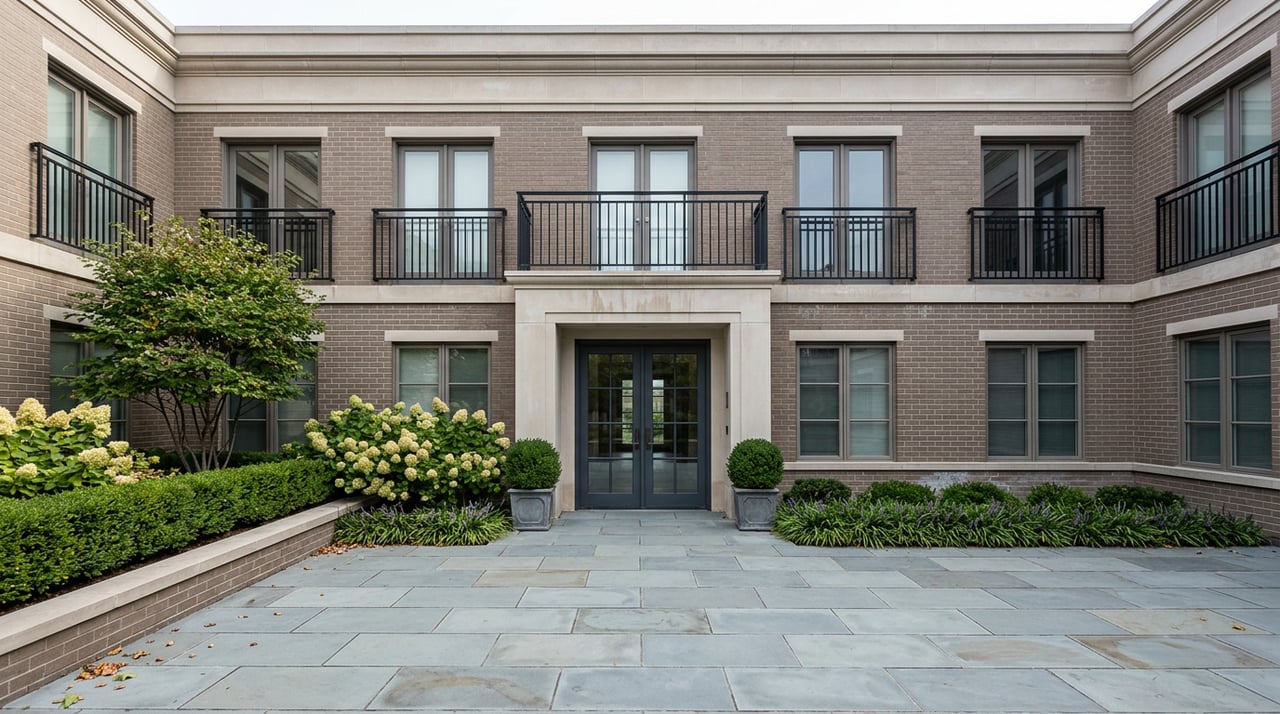
For many buyers, the biggest advantage of a Bethesda condo is access. A condo can offer a way into Bethesda at a much lower purchase price than a townhome, especially if you want to stay close to downtown amenities or transit.
That lower entry point can be especially useful if you value convenience over square footage. In many Bethesda condo buildings, you may also find amenities and services that would be difficult to replicate in a townhome setting.
Current listings show what that can look like in practice. One Bethesda condo at 7420 Westlake Terrace includes a monthly HOA of $1,157 and features such as a front desk concierge, fitness center, rooftop party room, pool, and pickleball, along with a community pool.
Townhomes Offer More Space and Separation
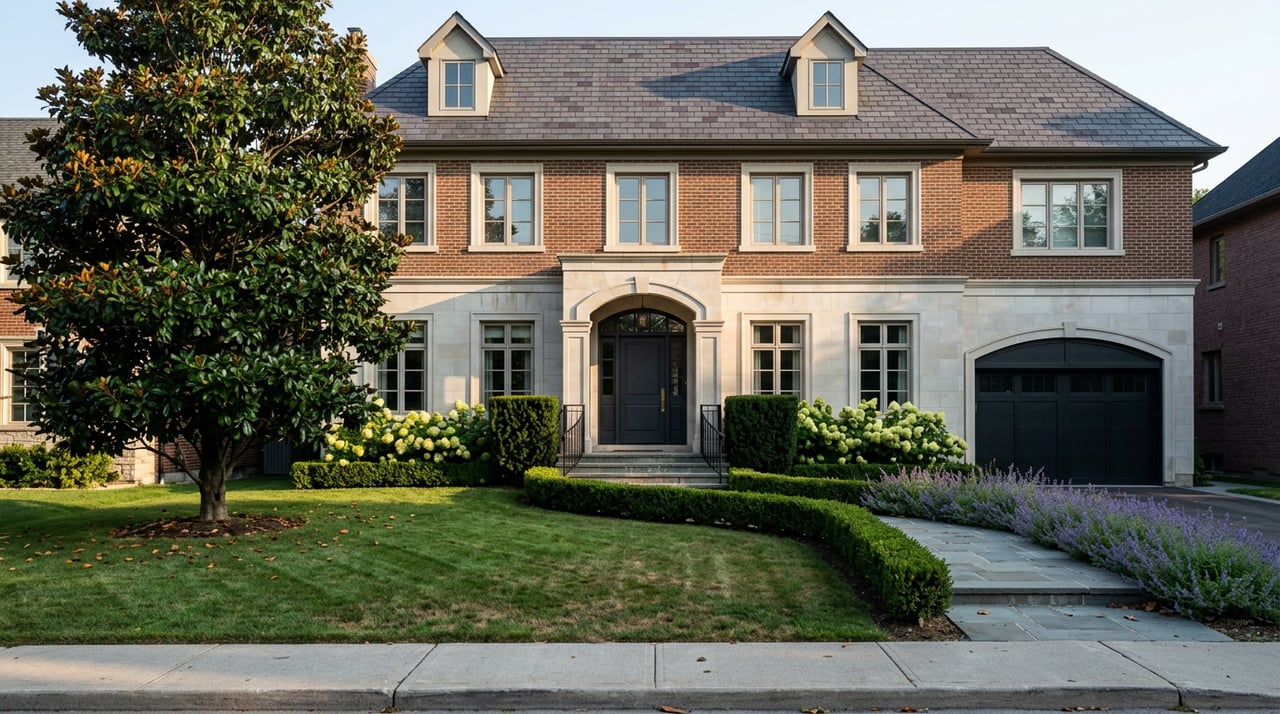
Townhomes in Bethesda usually appeal to buyers who want a more house-like setup. You may get more private, self-contained living space, direct entry, and often garage parking.
Current listings reflect that pattern. Examples include Bethesda townhomes with two garage spots and monthly HOA fees around $165, while other townhome communities show HOA fees closer to $489 and may include features such as garage parking and a community pool.
That does not mean every townhome is low-fee or every condo is high-fee. It does mean the structure of the property often shapes what you are paying for and how you live in the space.
Monthly Fees Are Not Created Equal
One of the biggest mistakes buyers make is comparing monthly fees without comparing what those fees actually cover. In Bethesda, condo fees are often noticeably higher than townhome HOA fees, but they may also include more building-level services, staffing, amenities, and maintenance responsibilities.
Townhome fees can be lower, but they vary widely by community. Some cover limited shared expenses, while others support amenities or broader common-area upkeep. The smarter question is not just, "How much is the fee?" It is, "What am I getting for it?"
Under Maryland law, condominium owners own their unit plus an undivided percentage interest in the common elements. Condo assessments fund current common expenses and reserves, and boards can increase assessments to meet reserve funding requirements.
Maryland also requires independent reserve studies for condominiums. HOA-governed communities also can impose mandatory fees tied to shared services or common areas, and HOA reserve studies are required as well. In both cases, the long-term financial health of the association deserves close attention.
Ownership Structure Affects Daily Life
The condo versus townhome decision is not just about style. It is also about control, responsibility, and how much shared infrastructure comes with the property.
With a condo, more of the building and shared spaces fall under the association because common elements are shared property under Maryland law. That often means less personal responsibility for some exterior or shared-area issues, but also less direct control over those spaces.
With a townhome, the experience often feels more independent. Depending on the community and governing documents, you may have a setup that feels closer to a traditional house, even if there is still an HOA handling certain shared responsibilities.
Think Beyond Price to Carrying Costs
Your monthly payment is only part of the picture. Property taxes and recurring fees can shape affordability just as much as the purchase price.
Montgomery County bases real property tax on assessed value. For principal residences, the Homestead Property Tax Credit limits annual taxable assessment increases to 10% after the first year, though the first year after purchase is not eligible for that cap.
The county also says eligible owner-occupied principal residences can receive the County Income Tax Offset Credit, listed at $692. These tax rules apply based on your ownership and occupancy, so they matter whether you choose a condo or a townhome.
Bethesda Lifestyle Is Highly Location Specific
A Bethesda condo or townhome can feel very different depending on where it sits. Bethesda overall is labeled by Redfin as minimally walkable, with a Walk Score of 45, but downtown Bethesda offers a different experience.
Bethesda Urban Partnership supports downtown mobility, events, and streetscape upkeep, which helps explain why the core feels more active and convenient. WMATA says Bethesda station is on the Red Line and within walking distance of Bethesda Row shopping and the Bethesda Trolley Trail.
The EPA also describes Bethesda Row as a walkable mixed-use district two blocks from downtown Bethesda. If you want a lock-and-leave home near shops, transit, and daily conveniences, a condo near downtown may fit naturally. If you want more separation and are comfortable being a bit farther from that core, a townhome may feel like the better match.
WMATA also notes that a new Bethesda station mezzanine is being built for the future Purple Line connection and will not open until the Purple Line opens in 2027. That future transit link is worth watching if access matters to your long-term plans.
Resale Depends on More Than Property Type
It is easy to assume townhomes always outperform condos on resale, but the local picture is more nuanced. In a market like Bethesda, resale appeal often depends more on location, parking, fee level, association health, and access to transit and daily amenities.
Countywide data supports the strength of attached housing as a major segment of the market. Montgomery Planning's Q1 2025 briefing says attached homes, including condos, duplexes, and townhomes, averaged $459,058 versus $1,047,534 for detached homes, while the average sold-to-list ratio remained near 100% in a tight market.
Montgomery Planning also reports that as of 2024, single-family attached homes made up 19% of Montgomery County's housing stock and multi-family structures made up 36%. In other words, buyers are not looking at fringe property types. Both condos and townhomes are established parts of the local housing mix.
How To Choose Your Fit
If you are still deciding, it helps to focus on tradeoffs instead of labels. In Bethesda, the choice often comes down to whether you want lower-maintenance urban convenience or more space and house-like control with a higher purchase price.
A condo may be the better fit if you want:
- A lower entry price in Bethesda
- Less day-to-day upkeep
- Building amenities or staffed services
- A lock-and-leave setup
- Proximity to downtown Bethesda or Metro access
A townhome may be the better fit if you want:
- More interior space
- A more private, house-like layout
- Direct entry or garage parking
- Potentially lower monthly fees than some full-service condos
- More separation from shared building systems
What To Review Before You Make an Offer
No matter which property type you prefer, your due diligence should go deeper than finishes and floor plans. The association's financial picture matters.
Before you move forward, review:
- The monthly fee amount
- What the fee covers
- Reserve funding and reserve study information
- Rules that affect use of the property
- Building or community upkeep
- Parking arrangements and access
In Bethesda, that extra review is especially important because fee levels and amenities can vary so much from one condo building or townhome enclave to the next. A well-run association can protect long-term value. A poorly planned one can create avoidable costs later.
Choosing between a condo and a townhome in Bethesda is really about matching the property to your budget, lifestyle, and tolerance for maintenance. When you look past the label and focus on price, fees, location, and long-term fit, the right answer usually becomes much clearer.
If you want a local, data-driven perspective on Bethesda housing options, Broadbranch Group can help you evaluate the tradeoffs and find the property that fits your goals.
FAQs
What is the main price difference between condos and townhomes in Bethesda?
- Current Bethesda listings show condos with a median listing price around $325,000 and townhomes with a median listing price around $1.1 million, so condos are often the lower-cost entry point.
What do Bethesda condo fees usually cover?
- Condo fees often support shared building expenses, reserves, and amenities such as concierge service, fitness centers, pools, or other common facilities, depending on the building.
Are Bethesda townhome HOA fees always lower than condo fees?
- Not always, but current listings suggest townhome HOA fees can be lower than condo fees in many cases, while still varying by community and the services or amenities provided.
How do Bethesda condos and townhomes differ in maintenance responsibility?
- Condos often involve more shared maintenance through the association, while townhomes usually feel more independent, though the exact responsibilities depend on the community's governing documents.
Is downtown Bethesda better for condo living?
- For buyers who want walkable access to Metro, shopping, and mixed-use areas like Bethesda Row, downtown Bethesda can be a strong fit for condo living because location there supports a more convenient, low-maintenance lifestyle.
What should Bethesda buyers review before choosing a condo or townhome?
- You should compare purchase price, monthly fees, what those fees cover, reserve funding, parking, association upkeep, and how well the location matches your daily routine and long-term plans.