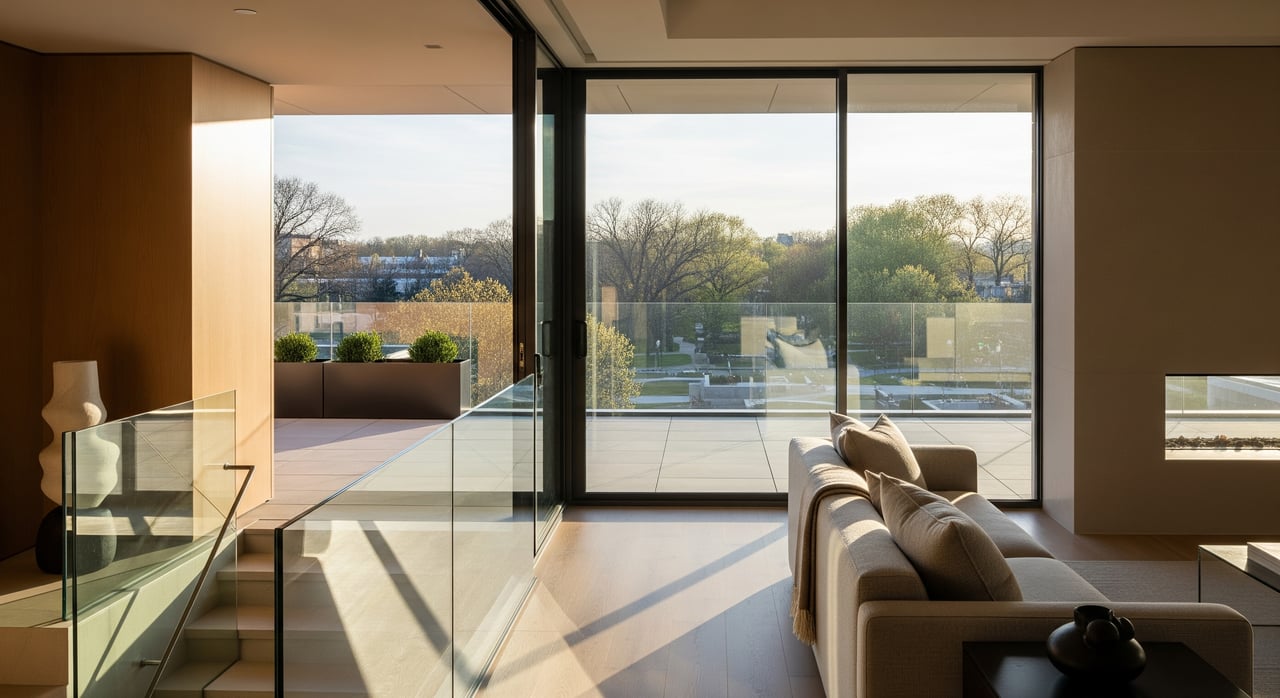
Planning to sell your Bethesda condo in 2026? Choosing the right week to hit the market can be the difference between quick offers and a slow, price-sensitive listing. You want a smooth sale, strong pricing, and a clear plan that fits your timeline. This guide gives you practical, data-backed timing windows, a simple 60–120 day prep checklist, and smart pricing strategies tailored to Bethesda condos. Let’s dive in.
Best listing windows
Based on multi-year seasonality seen across the D.C. metro area, many Bethesda condos perform best when listed in spring. A second, smaller window often appears in early fall. Always confirm with current MLS data before you finalize timing, since mortgage rates, inventory, and building-level factors can shift outcomes year to year.
Spring: mid March to end of May
This is the most reliable window for higher buyer activity and faster days to contract. Listing in spring positions you for late spring and early summer closings, which many owner-occupiers prefer. Outdoor amenities and natural light also photograph well during this period, which helps your online presentation.
Early fall: late August to mid October
If spring does not fit your plans, early fall is a strong alternative. Buyers return from summer travel, curb appeal is still good, and inventory can be more manageable than peak spring. This window works well for sellers who need a different closing date or want to avoid spring competition.
When winter can still work
November through February typically brings fewer showings and longer timelines. That said, motivated buyers and investors do transact in winter. If your building attracts investors, or if your unit is well priced and move-in ready, a winter listing can still meet your goals. Use current data for days to contract and months of inventory to decide.
Why timing matters
Timing influences the number of active buyers, the speed of offers, and your negotiation leverage. Three metrics tell the story:
- Days to contract or days on market. Faster is usually better for sellers, and spring often shows the shortest timelines.
- Months of inventory or absorption rate. Lower months of inventory suggest stronger seller leverage.
- Sale-to-list price ratio. A higher percentage of list price received indicates tighter competition and better pricing power.
A smart way to confirm your month-by-month strategy is to compute a seasonal index using 3 to 5 years of monthly condo data for Bethesda. Compare each month’s average to the overall monthly average for closed sales, days to contract, and months of inventory. Look for months that combine faster contracts with lower inventory and healthy sale-to-list ratios.
Adjust for unit type
Seasonality is not one-size-fits-all. Unit size and buyer mix can change your best week to list.
Studios and one-bedrooms
Smaller units often attract investors or first-time buyers who may shop year-round. Spring can still be productive, but pricing and presentation matter more than the calendar for this segment. If your building has investor interest, any month can work when pricing is aligned with recent comps.
Two-bedrooms and larger units
Larger condos often draw move-up buyers and downsizers who plan around life events and school calendars. Spring is usually strongest for speed and competition, and early fall can also perform well. If you aim for a summer closing, listing by mid spring helps align your contract and settlement dates.
60–120 day checklist
A strong result starts months before you go live. Here is a practical prep plan you can follow.
120–90 days out
- Confirm HOA resale requirements and typical turnaround for the resale package or certificate. Some associations take 1 to 4 weeks or longer.
- Request a building-level comparative market analysis that includes price per square foot, recent sale-to-list ratios, and days to contract by unit type.
- Review capital projects, special assessments, and any pending legal matters. Gather board minutes or notices to share with buyers.
- Consider a pre-listing inspection to surface repair items. Address safety and compliance issues first.
- Verify mortgage payoff, liens, and any lease terms if tenant-occupied.
- If you are considering updates, price out light renovations with realistic timelines. Prioritize high-ROI refreshes like paint, lighting, hardware, and flooring touch-ups.
90–60 days out
- Complete agreed repairs and cosmetic updates. Spring and early summer contractors book quickly, so schedule early.
- Book professional photos and floor plans for your target week. Ask your photographer to capture balcony views and amenity spaces.
- Assemble building documents commonly needed for disclosures and resale packets, such as bylaws, financials, and reserve studies.
- Compile utility bills, tax assessments, appliance warranties, and any transferable service plans.
60–30 days out
- Finalize staging. Focus on natural light, clean sightlines, and flexible furniture layouts that highlight usable space.
- Schedule deep cleaning and carpet cleaning. Plan for last touch-ups after staging.
- If tenant-occupied, coordinate showing windows and any lease transitions with both your tenant and the HOA.
- Set a pricing and launch strategy with your agent, including open houses, broker tours, and the first-week showing plan.
- Prepare seller and state-required disclosures, including any HOA statements.
30–0 days out
- Complete final photos and virtual tour. Choose a sunny day to capture outdoor assets like pools or courtyard landscaping.
- Confirm the HOA resale packet timing so buyers can review it on schedule once under contract.
- Offer broad showing availability for the first 10 to 14 days. Most serious buyers act early.
- Align on negotiation parameters, target closing dates, and acceptable contingencies before you go live.
Pricing and negotiation
Bethesda condo buyers compare by building. Your best comps are usually inside your building or in nearby, similar buildings. Focus on these elements to set a confident price and plan:
- Price per square foot with adjustments for floor height, view, parking, storage, and renovation level.
- Recent sale-to-list ratios in your building by season. If spring sales often achieve at or above list price, you may have room for a slightly bolder ask.
- Buyer pool profile. Owner-occupiers prioritize timing and move-in readiness. Investors look at rent potential and carrying costs.
- HOA fee clarity. Show the full monthly cost, what the fee covers, and any recent improvements that add value.
Validate with current data
Before you decide on your 2026 launch date, review 3 to 5 years of monthly Bethesda condo data. Compute seasonal indices for sales volume, days to contract, and months of inventory. Segment by unit size. Then check building-level patterns. If your building’s best month differs from the broader trend, go with the building data.
Also consider the macro backdrop. Mortgage rates, new project deliveries, and employer shifts can change buyer urgency. If conditions are moving quickly, a ready-to-list strategy can beat waiting for a calendar window.
Special condo factors
- Resale package timing. Some associations need several weeks to deliver, so start early.
- Assessments and capital projects. Be proactive about disclosures. Buyers will ask.
- Tenant-occupied units. Coordinate access early and set expectations for showings. A vacant, staged unit usually shows best.
- Amenity seasonality. Outdoor pools, terraces, and landscaping look best in spring and early summer. Use photos that highlight these assets.
Marketing that works
- Lead with natural light and long sightlines in your photos. Clean, neutral staging helps buyers picture their life in the space.
- Use professional floor plans so buyers can visualize flow and furniture placement.
- Launch with strong first-week momentum. Concentrated showings and a clear open-house plan can surface your best buyers quickly.
- Showcase building strengths, including commuting access, on-site services, and recent improvements. Keep descriptions neutral and factual.
Next steps
If you want a data-backed plan for your specific building and floor plan, pair the seasonal windows above with real Bethesda condo numbers. A building-level analysis, a 60–120 day prep plan, and a right-sized pricing strategy will put you in position to win your 2026 sale. When you are ready to move, we will help you align timing, prep, and execution so you capture full value. To get started, talk with Shane Crowley. Unlock your property's highest and best use.
FAQs
What is the best month to list a Bethesda condo in 2026?
- Spring listings between mid March and late May are often strongest, with a solid secondary window from late August to mid October, but confirm with current building-level data.
Does winter ever make sense for condo sellers?
- Yes, if your unit is priced well, move-in ready, or investor-friendly, a winter listing can work, though buyer traffic is usually lower and timelines can be longer.
How far in advance should I order the HOA resale packet?
- Start 90 to 120 days before listing to confirm requirements and turnaround, since some associations need 1 to 4 weeks or more once you are under contract.
How do HOA fees and assessments affect pricing?
- Buyers compare total monthly costs and will ask about assessments, so be clear about what fees cover, recent improvements, and any planned projects.
Is staging worth it for a condo?
- Staging helps buyers understand space and flow, supports stronger photos, and can reduce days to contract, especially in spring and early fall.
What data should I review before picking my listing date?
- Review 3 to 5 years of monthly Bethesda condo data for sales volume, days to contract, months of inventory, and sale-to-list ratios, then segment by unit size and building.
How long should I expect my Bethesda condo to be on the market?
- It depends on timing, pricing, and unit type, so use recent days-to-contract data for your building and adjust for current inventory and buyer activity.