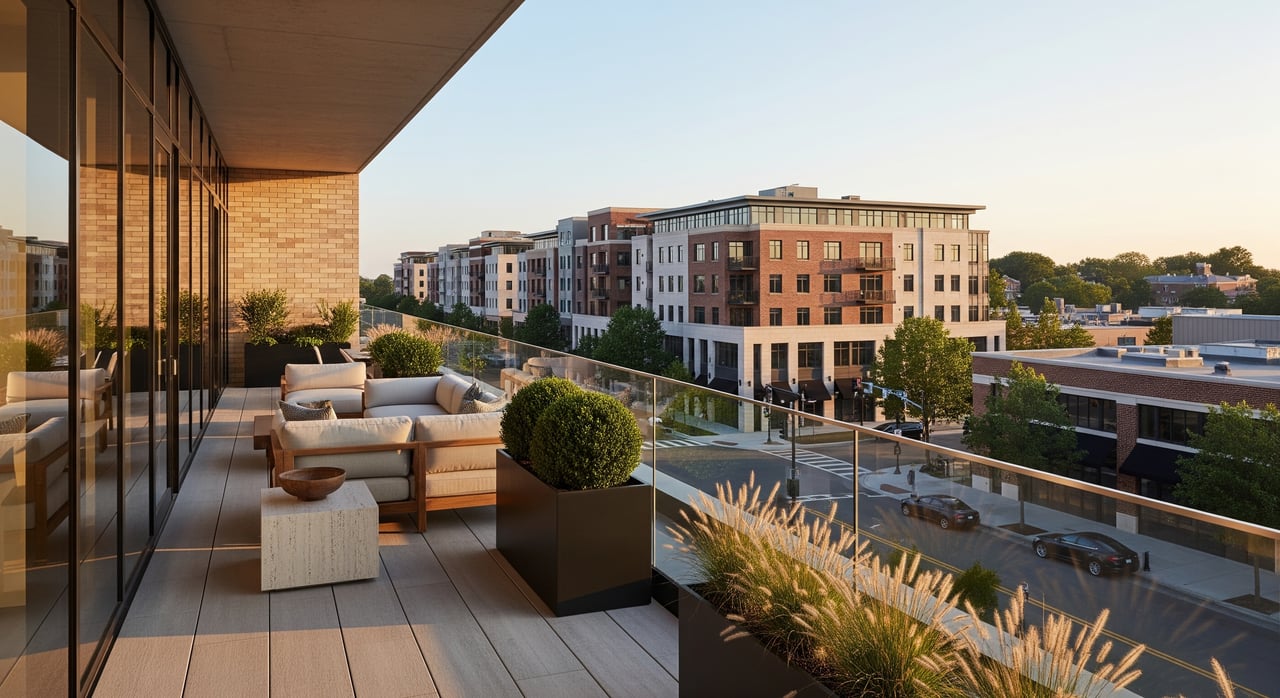
Love the idea of stepping out your front door to coffee, a quick workout, and an easy Red Line commute? If you’re weighing a move to downtown Bethesda, you want a clear picture of everyday life, not a sales pitch. In this guide, you’ll learn how the urban core looks and feels, what housing options actually exist, how you’ll get around, and what to expect in the years ahead. Let’s dive in.
The setting: where the urban core sits
Downtown Bethesda centers on the blocks around the Bethesda Metro station along the Red Line. Locals often describe this area as Bethesda Row, Woodmont Triangle, and the short, walkable corridors that connect them. It blends high-rise, mixed-use buildings with short blocks and pedestrian-oriented retail.
The county designates this district as the Bethesda Central Business District, and it follows the county’s sector planning guidelines for height, use, and streetscape. If you want a deeper look at how growth and public spaces are guided, review the Bethesda Downtown Plan from the Montgomery County Planning Department.
Lifestyle and vibe
You’ll notice steady foot traffic during the day with office workers, shoppers, and families running errands. Evenings shift to restaurants, cafés, and performance venues, with a lively but manageable scene near Bethesda Row and Woodmont Triangle. The streets feel dense and walkable, and most everyday needs sit within a few blocks.
Residents tend to be affluent and highly educated, including professionals in government, healthcare, biotech, consulting, and law. According to U.S. Census QuickFacts for Bethesda, the community skews well above national averages on educational attainment and income levels.
Housing options you’ll actually see
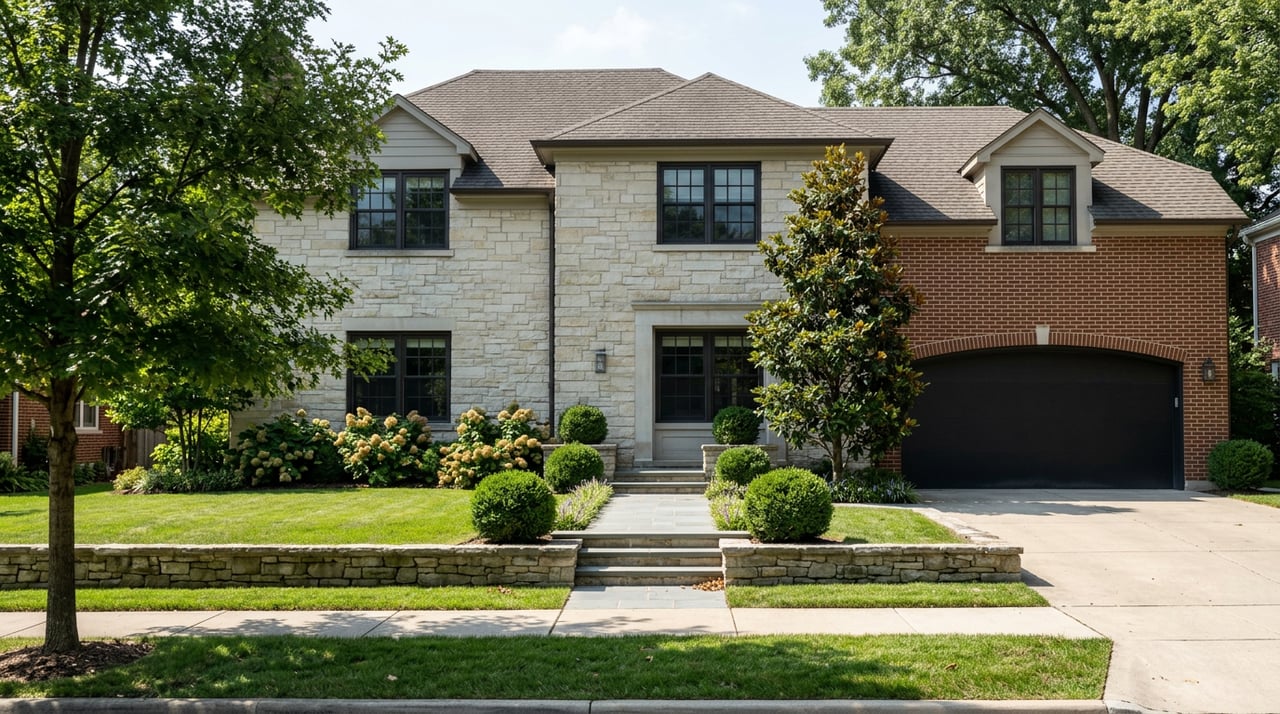
Downtown living here is primarily high-rise and mid-rise condominiums and rental apartments, often with ground-floor retail. You’ll also find townhomes and smaller apartment buildings on the edges of the core, with single-family neighborhoods several blocks beyond the densest streets.
If you plan to buy, expect a vibrant condo market. Many buyers choose condos for convenience, amenities, and location. If you need a yard, storage, or more bedrooms, consider townhomes at the edges or single-family homes just outside the core.
Amenities and monthly costs
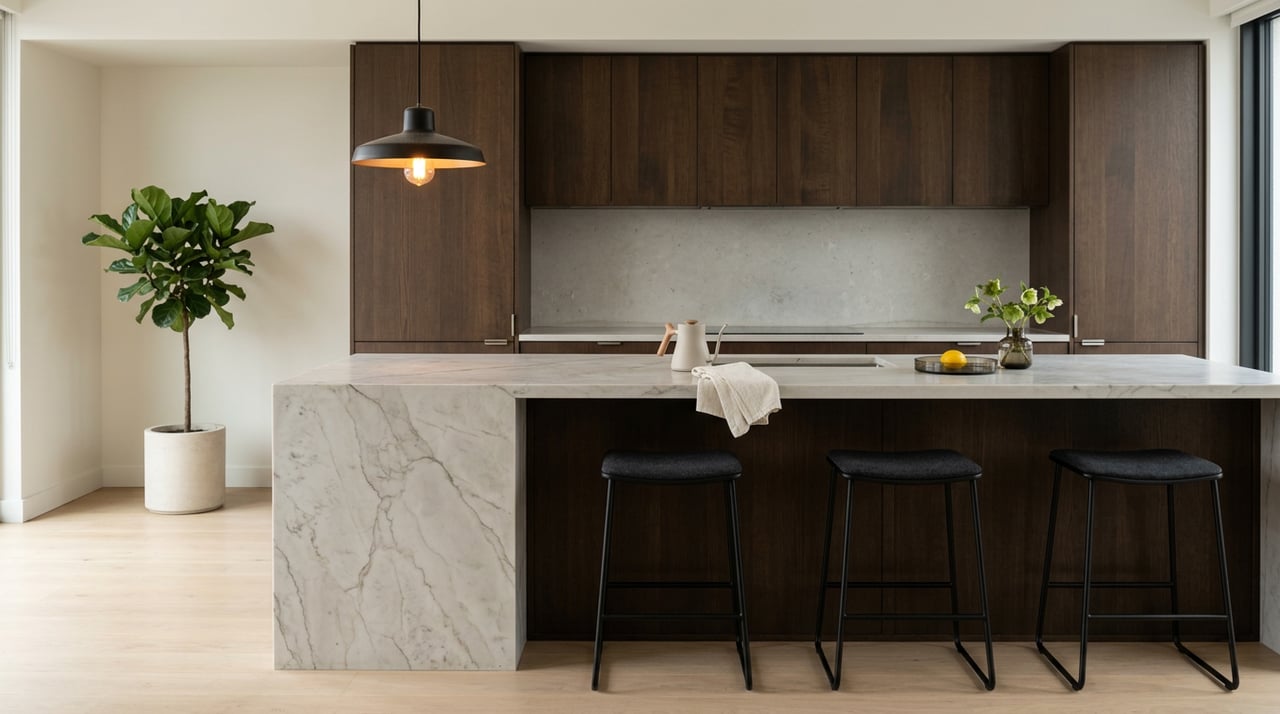
Most larger buildings offer doorman or lobby staffing, fitness centers, lounges, rooftop terraces, package rooms, on-site management, and garage parking. Condo or HOA fees are common and often cover building maintenance, amenities, and sometimes utilities. Include those fees in your total monthly budget, and pay close attention to whether a parking space conveys with the unit.
Price and competition
Bethesda’s urban core is among the most expensive submarkets in Montgomery County and the wider region. Condominiums range widely, from the mid six figures to several million dollars, depending on size, building, and amenities. Demand is strong for well-located units near the Metro, and newer luxury buildings often command premium pricing.
Getting around: Metro, trail, and car-light living
The Red Line is the backbone of local commuting. The Bethesda Metro station provides direct service to downtown Washington, D.C., with typical Metro travel times to central D.C. often in the 15 to 30 minute range depending on your stop. Montgomery County Ride On and Metrobus routes serve the core, offering connections within Bethesda and to nearby communities.
If you bike, run, or just prefer a scenic route, the Capital Crescent Trail runs near the urban core and is a major asset for recreation and commuting toward D.C. and Georgetown. On-street bike infrastructure exists on select corridors, and many residents mix trail, protected lanes, and quieter streets to get around.
Driving is straightforward for regional access, with I-495 and I-270 a short hop away, but traffic can reshape travel times. Street parking in the central blocks is limited. Residents lean on building garages or paid public garages. The Montgomery County Department of Transportation provides public parking information and updates on garages and street regulations.
Schools, childcare, and healthcare
Downtown Bethesda is served by Montgomery County Public Schools. School assignments are address-dependent and can change, so always verify current boundaries with the MCPS planning department. Families often consider unit size, nearby parks, and school boundaries when choosing where to live in the core or immediately beyond it.
You’ll find a range of private and parochial schools in and around Bethesda, along with preschools and early childhood centers. Childcare and pediatric services are widely available in the downtown corridors.
Healthcare access is a standout. Bethesda is home to the National Institutes of Health, and major medical centers and specialty practices cluster nearby. This concentration of employers shapes local services and makes medical care convenient.
Everyday amenities and quality of life
One of downtown Bethesda’s biggest perks is daily convenience. You’ll find a dense mix of restaurants, cafés, and bars across price points, plus boutique retail, national brands, and several grocery stores within walking distance. Fitness studios, salons, and specialty services are widely available.
Parks and pocket plazas create small green moments within the grid, and larger regional parks sit a short drive away. Community programming, farmers markets, and seasonal events are common and a big part of the downtown rhythm. To explore arts, events, and public art programs, check the Bethesda Urban Partnership.
What’s changing: development and transit
Montgomery County’s downtown and sector plans emphasize transit-oriented, mixed-use development and investments in the public realm. Older office buildings are being renovated or redeveloped, and new residential projects continue to rise near the Metro. You can review policy details and area maps in the Bethesda Downtown Plan.
The Purple Line, a planned light rail connection from Bethesda eastward through Montgomery and Prince George’s counties, remains an important project to watch. For construction progress and timelines, monitor official Purple Line project updates. As with any large infrastructure project, you should expect periodic construction impacts along with long-term connectivity benefits once operational.
Pros and tradeoffs to consider
Pros
- Excellent walkability and transit access, reducing reliance on a second car.
- Dense amenities: dining, retail, cultural events, and fitness within a few blocks.
- Proximity to major employers, including healthcare and research.
Tradeoffs
- Premium home prices and higher costs for everyday goods and services.
- Street parking constraints; plan for building or garage parking.
- Occasional noise or construction near active corridors and development sites.
- Limited private outdoor space within the densest blocks.
How to choose the right block and building
Use this quick checklist when touring:
- Building orientation and noise. Stand in the unit with windows open and closed at different times of day. Upper floors can reduce street-level sound.
- Parking and storage. Confirm whether a deeded or assigned space conveys and where it sits relative to the elevator. Ask about bike storage and package rooms.
- Fees and reserves. Review condo or HOA fees, what they cover, reserve funding, and any planned assessments.
- Natural light and privacy. Note neighboring sightlines, especially in mid-rise pockets.
- Access and walkability. Map your routine: Metro, groceries, childcare, parks, and favorite fitness or coffee spots.
- School boundaries. If schools matter, confirm current MCPS assignments for the specific address.
- Resale outlook. Units near Metro, with parking and strong management, tend to hold value well. Consider new supply nearby when assessing timing and pricing.
The bottom line
If you want walkable convenience, a strong dining and retail scene, and a fast Red Line commute, Bethesda’s urban core delivers. You pay a premium for location and amenities, and you should plan for structured parking and a little city energy on evenings and weekends. For many buyers, the balance works beautifully: short daily routines, easy access to the Capital Crescent Trail, and a neighborhood that keeps evolving in smart, transit-focused ways.
Ready to narrow your search to the right building and block, or to position your property for a top-tier sale in downtown Bethesda? Connect with Shane Crowley for local guidance grounded in development insight and premium brokerage execution.
FAQs
Is downtown Bethesda walkable for daily errands?
- Yes. The urban core has short blocks, ground-floor retail, and a dense sidewalk network, so most daily errands are doable on foot.
What types of homes are common in Bethesda’s urban core?
- You’ll see high-rise and mid-rise condos and rental buildings in the center, with townhomes and smaller apartments on the edges and single-family homes a bit farther out.
How does parking work if I live downtown?
- Street parking is limited. Most residents use building garages or paid public garages. Confirm whether your condo includes a parking space and what it costs.
Which public schools serve downtown Bethesda addresses?
- Assignments depend on the exact address and can change. Verify boundaries and current assignments through the MCPS planning department.
How long is the Metro commute from Bethesda to downtown D.C.?
- Many Red Line trips to central D.C. fall in the 15 to 30 minute range depending on destination and time of day.
What should I know about construction and future transit?
- Redevelopment is ongoing, and the Purple Line will connect Bethesda eastward. Expect periodic construction impacts and long-term improvements in connectivity once complete.