Thinking about buying or building new in Chevy Chase? You are not alone. Infill homes and boutique townhomes are reshaping both the DC side of Chevy Chase and the Montgomery County neighborhoods next door. In this guide, you will learn what is getting built, which features drive pricing and absorption, and which rules matter most before you write an offer or acquire a site. Let’s dive in.
Why Chevy Chase new builds stand out
Most opportunities here are infill, not large subdivisions. That means teardowns, lot splits, or conversions on tree-lined streets close to Connecticut Avenue retail and the Friendship Heights transit and retail area. Proximity to parks and schools, plus access to Northwest DC and Bethesda, keeps demand steady across buyer profiles. Because the market is supply constrained, well-executed modern homes that respect neighborhood context tend to command attention.
Jurisdiction matters. Chevy Chase spans Northwest Washington, DC and adjacent Montgomery County communities. Zoning, permitting timelines, historic review, energy codes, and incentives differ across the line. Confirm the parcel’s jurisdiction early because it affects massing, allowable uses, costs, and speed to market.
What builders are delivering
Predominant product types
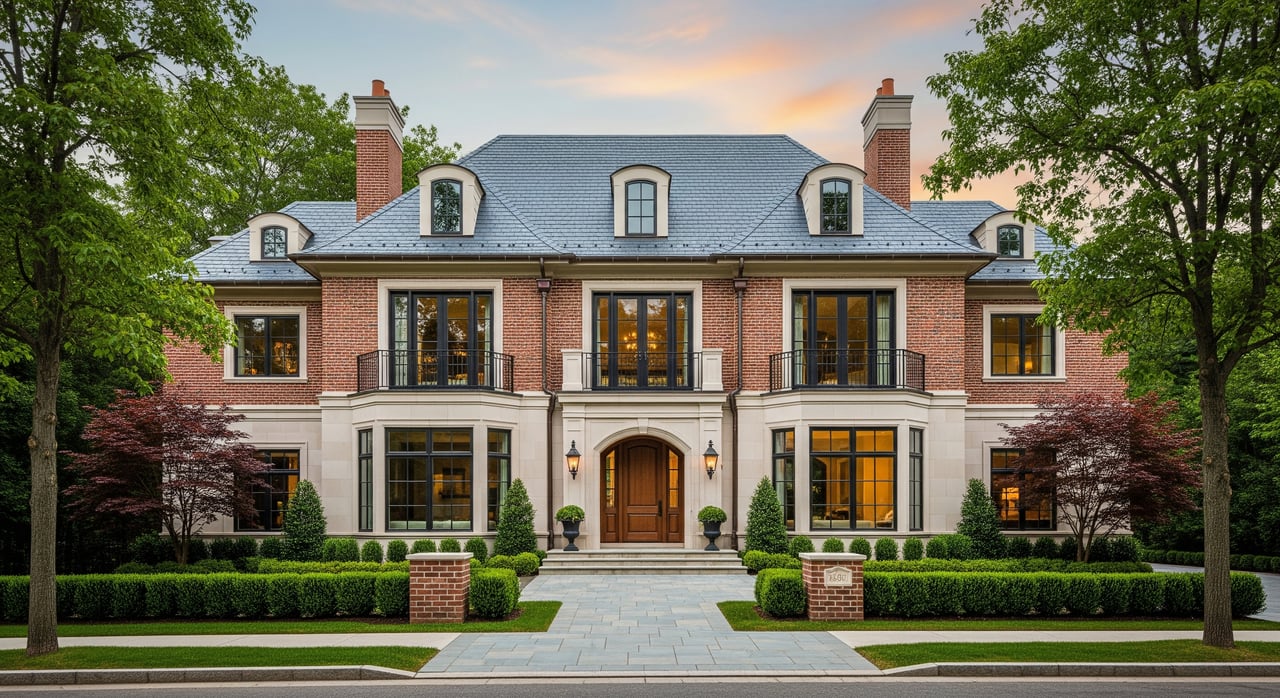
- Luxury single-family teardowns and rebuilds with larger footprints, often 3 to 5 plus bedrooms and finished lower levels.
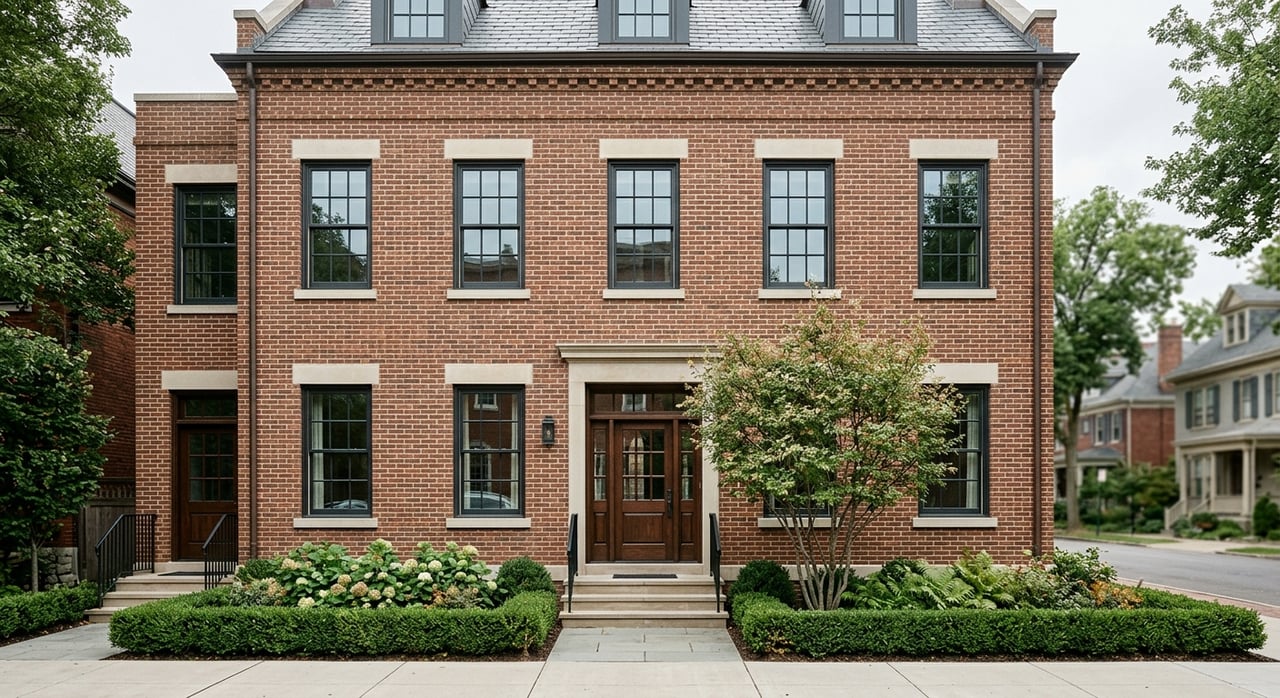
- Three to four level townhomes on subdivided lots, typically 2 to 4 bedrooms plus a finished lower level.
- Compact urban townhouses aimed at downsizers, often with open-plan day levels, an elevator, and a rooftop terrace.
- Duplex and ADU-inclusive layouts where rules allow, serving multi-generational needs or rental income.
Floor plans buyers choose
- Open-plan main levels with large kitchen islands and direct flow to terraces or rear yards.
- A dedicated home office or quiet study, often on the main level or bedroom level.
- A primary suite with strong privacy, sometimes on its own floor in townhomes, with generous closet systems.
- A finished lower level with daylight egress, flexible recreation space, and a guest suite or separate entry where possible.
- Practical entries with mudrooms, storage, and laundry proximity, plus two-car garages with internal access.
Configurations that shape cost and appeal
- Vertical stacking on narrow lots maximizes area but can reduce accessibility unless an elevator is included.
- Elevators are a frequent selling point for older and high-net-worth buyers and can support resale value.
- Large rooftop terraces and well-designed outdoor living areas drive top-floor premiums in this walkable market.
Finishes and systems buyers expect
Luxury finish packages
- Premium appliance suites with commercial-style ranges or integrated panels, stone countertops, and custom millwork.
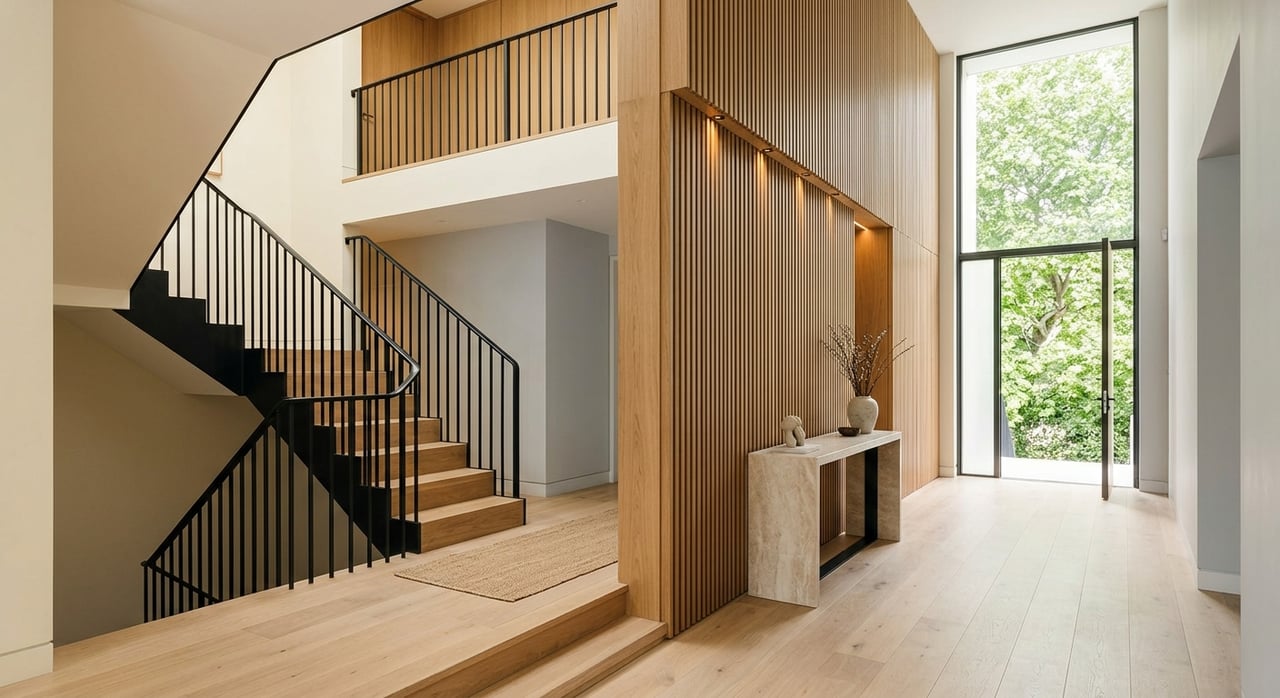
- Wide-plank hardwoods on principal levels, quality tile in wet areas, and high-end fixtures and hardware.
- Mixed, layered lighting with smart controls, built-in audio and AV wiring, and structured cabling routed to dedicated closets.
- High-end closet systems and bespoke storage that keep smaller footprints efficient and clutter-free.
Energy and electrification
- Electric heat-pump HVAC or hybrid systems that align with local electrification trends and future-proof the asset.
- High-efficiency hot water options, including heat-pump water heaters or tankless where appropriate.
- Enhanced building envelopes with high-performance windows, continuous insulation, and careful air sealing.
- Mechanical ventilation with heat or energy recovery in tight homes to maintain indoor air quality.
- EV-ready garages with dedicated 240V circuits or pre-wiring for Level 2 chargers.
- Solar-ready roofs and, where roof orientation allows, integrated PV, with some buyers considering battery storage.
- Smart home systems for lighting, HVAC control, security, and energy monitoring; ENERGY STAR or boutique green certifications on select projects.
Performance and upkeep
- Clear documentation of appliance, roofing, and mechanical warranties helps buyers compare options.
- Guidance on maintenance tradeoffs, such as natural stone care versus quartz.
- Indoor air quality strategies, including low-emitting materials and balanced ventilation, are increasingly valued.
Amenities and site design
In-unit features lead the conversation: roof decks, terraces, and landscaped yards; flexible bonus rooms or guest suites; and elevators for accessibility. Acoustic privacy and thoughtful glazing help tight infill sites live better.
At the site level, off-street parking remains a differentiator for family-oriented segments. Preserving mature trees and investing in landscaping improves curb appeal and can ease neighbor concerns. Walkability to retail and transit nodes like Friendship Heights is a consistent draw.
Pricing and absorption drivers
Product choices move price and time-to-contract. Larger footprints, premium kitchens and baths, rooftop terraces, elevators, and smart energy features support higher price-per-square-foot and total values. Designs that include rental-capable ADUs or dual-entry lower levels can widen the buyer pool and improve yield per lot.
Right-sized luxury townhomes with efficient layouts and strong indoor-outdoor connections often absorb faster than oversized custom single-family builds. Quality of finishes, builder reputation, staging, and proximity to amenities all influence contract speed. Jumbo financing availability and local lender relationships also shape the buyer pool.
DC vs Montgomery: rules that matter
Zoning and overlays
DC and Montgomery County use different zoning codes. Lot coverage, height, and yard requirements vary, as do rules for ADUs, duplexing, and use mix. Some streets fall within conservation or historic review areas that add design steps and can affect massing and facades.
Lot splits and permits
Subdividing a parcel to create townhomes can require subdivision approvals and extra time. Permit processes differ between DC’s Department of Buildings and Montgomery County’s Department of Permitting Services. Calendar planning should include potential variance hearings and review cycles.
Trees, stormwater, and utilities
Stormwater management and tree preservation are common cost drivers, especially in Montgomery County. Factor in utility coordination for solar and electric HVAC, including interconnection steps with the local utility.
Community engagement
Early outreach reduces risk. In DC, Advisory Neighborhood Commissions often review projects, and in Montgomery County, civic groups may weigh in. Context-sensitive massing, stepped setbacks, and high-quality materials help projects win support.
Feasibility checklist
Pre-acquisition
- Confirm jurisdiction and zoning, and obtain a zoning and use memo.
- Pull recent new-build comps and active listings within a half-mile.
- Check permit history and any open code violations on the parcel.
- Commission a constraints review for trees, stormwater, and utility access.
Design and specifications
- Define your target buyer and calibrate layout, bedroom count, main-level bedroom options, elevator, and garage.
- Standardize a base finish package with a clear upgrade path to control cost and choice.
- Include EV-ready electrical, solar planning, and consider heat-pump mechanicals or hybrid options.
Sales and marketing
- Stage and present to high-net-worth channels, highlighting transit access, neighborhood amenities, and sustainability features.
- Provide warranty summaries and, where available, energy performance details and lifecycle cost context.
Who is buying and why
- Wealthy downsizers want low-maintenance, high-finish townhomes or stacked flats near retail and transit, often with elevators and rooftop space.
- Multi-generational households look for extra bedrooms, flexible suites, and ADU options for family or income.
- Professionals value walkability, proximity to Northwest DC and Bethesda, and premium finishes that feel turnkey.
- Small developers focus on right-sized layouts, high-quality kitchens and baths, and features that speed absorption and expand the buyer pool.
Your next move
If you are considering a purchase or a teardown-to-build strategy in Chevy Chase, align the product with your target buyer, right-size the plan, and invest in finishes and energy features that matter. Vet zoning early, budget for trees and stormwater, and plan your permit path based on jurisdiction. For a feasibility review or a go-to-market plan that connects entitlement strategy to premium sales execution, connect with Shane Crowley to unlock your property’s highest and best use.
FAQs
What new construction types are common in Chevy Chase?
- Luxury single-family rebuilds, three to four level townhomes, compact elevator townhouses for downsizers, and select duplex or ADU-inclusive projects where allowed.
Which features add the most value in Chevy Chase new builds?
- Premium kitchens and baths, elevators, large rooftop or terrace spaces, EV-ready garages, and efficient, electrified mechanical systems.
How do energy-efficient systems affect resale for new homes?
- Heat pumps, high-performance envelopes, ERV or HRV ventilation, and solar readiness broaden the buyer pool and can justify pricing premiums when marketed well.
What should small developers verify before buying a teardown?
- Jurisdiction and zoning, permit and violation history, tree and stormwater constraints, utility capacity, and the feasibility of lot splits or ADUs.
How do DC and Montgomery County approval processes differ?
- Each uses its own zoning rules, review bodies, timelines, and requirements for subdivisions, overlays, and stormwater, which change massing options and schedule risk.